
By comparing assets to liabilities from your balance sheet equation, you can find your net ownership within the company. The balance sheet doesn’t just help you see how much your company owes. It also helps you secure financing from a bank, lender, or investor. A creditor might ask to review your balance sheet to determine the level of risk involved in working with you. The higher your liabilities, the bigger risk you are to the creditor.
FAQs On Liabilities In Accounting
Luckily, their expertise can save businesses from mixing up expenses with liabilities. Understanding the concept of debt is important when you differentiate between expense vs liability account. Debts are basically the money you owe to another party, specifically the creditors. Mostly, creditors lend you goods, services, and investment in exchange for interest. This article will clarify all your doubts regarding expenses and liability accounting and explain to you how to manage your accounts with a clear insight. We will also talk about debts and how to account for them in this piece.
Impact of Accrued Expenses & Accounts Payable on Balance Sheet

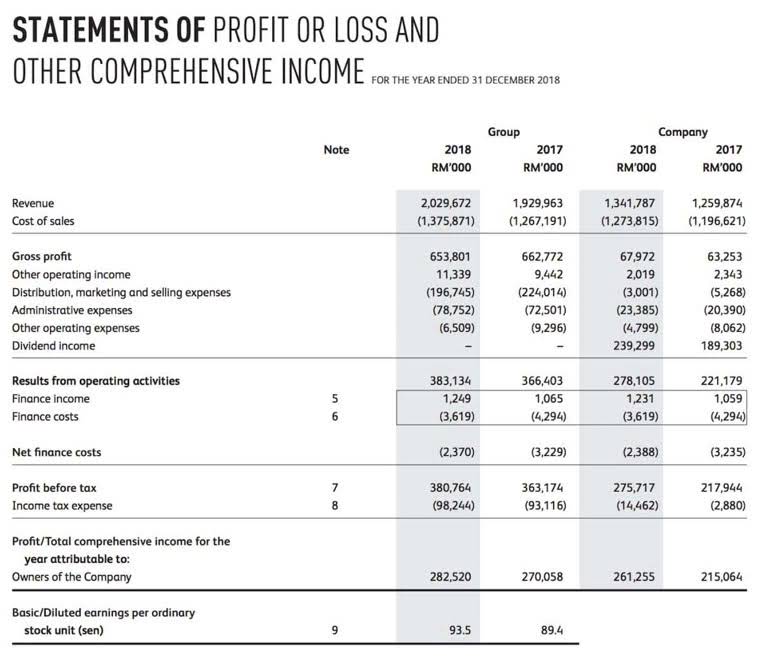
When a company records an expense, it most obviously appears within a line item expenses vs liabilities on the income statement. The income statement shows a business’s financial results for a designated period of time. This more complete picture helps users of financial statements to better understand a company’s present financial health and predict its future financial position.
Why is accounts payable not recorded as an expense?
Both accrued expenses and accounts payable have implications on your cash flow, but they impact it differently. They’re current liabilities that must typically be paid within 12 months. This includes expenses like employee wages, rent, and interest payments on debts that are owed to banks. Accounts payable is the total amount of short-term obligations or debt that a company has to pay to its creditors for goods or services bought on credit. The vendor’s or supplier’s invoices have been received and recorded. Payables should represent the exact amount of the total owed from all the invoices received.
- Effectively managing and tracking expenses is crucial for financial stability and strategic decision-making.
- A professional bookkeeper will make sure that expenses and liabilities are recorded in the right place at the right time.
- Over time, like a good bottle of wine, your car loses some of its sparkly value.
- With liabilities, you don’t have to pay immediately after you receive a good or service.
- Remember, expenses are costs that reduce your income, while liabilities are debts that you owe to others.
- Let’s say a company pays salaries to its employees on the first day of the following month for services received in the prior month.
FAQs on Accrued Expenses vs Accounts Payable

Understanding how liabilities and expenses affect financial statements is crucial for accurate reporting. Liabilities are recorded on the balance sheet and impact assets and equity. Accrued expenses, often grouped under accrued liabilities, are combined with other short-term obligations like wages payable or accrued interest. These are classified under current liabilities, signaling they will be settled within the operating cycle, typically one year.
- So, understanding expense accounts is like having a secret weapon in your lemonade-stand arsenal.
- Both record expenses in the period when goods or services are received.
- These obligations arise from past transactions or events, such as receiving goods from a supplier on credit or taking out a bank loan.
- Effective management of accounts payable influences working capital, a key measure of operational efficiency and short-term financial health.
- Tax liability can refer to the property taxes that a homeowner owes to the municipal government or the income tax they owe to the federal government.
- Although both terms relate to a company’s outflow of resources, they represent different financial concepts and have unique impacts on an organization’s financial statements.
Swiss Mountain Dog vs. Bernese Mountain Dog: Key…
Nothing contained herein shall give rise to, or be construed to give rise to, any obligations or liability whatsoever on the part of Capital One. For specific advice about your unique circumstances, Accounts Payable Management consider talking with a qualified professional. Products and services are offered by Capital One, N.A., Member FDIC. A thorough analysis of the company’s liabilities should be done to determine how much it can take on its balance sheets is good business practice. There is no clear distinction between expenses and liabilities, as they are often interchangeable and of similar nature. The loan is considered a long-term obligation, but the principal and interest payments are short-term liabilities.
This guide will break down each concept, show how to record them correctly, and also explain how you streamline the entire process of expense management. For the past 52 years, Harold Averkamp (CPA, MBA) hasworked as an accounting supervisor, manager, consultant, university instructor, and innovator in teaching accounting online. He is the sole author of all the materials on AccountingCoach.com.
See if your business is pre-approved

Accrued expenses are payments that a company is obligated to make in the future for goods and services that were already delivered. Current assets are items that are completely consumed, sold, or converted into cash in 12 months or less. Examples of current assets include accounts receivable and prepaid expenses.
Keeping detailed records and managing vendor relations is crucial for financial management. Accurate accounts payable management is vital, especially for CARES Act small businesses. The SBA highlights its importance for managing short-term obligations.
